

Coralligenous, Valenti Dry and Paulilles Bay
Cap Béar: a wild and preserved site
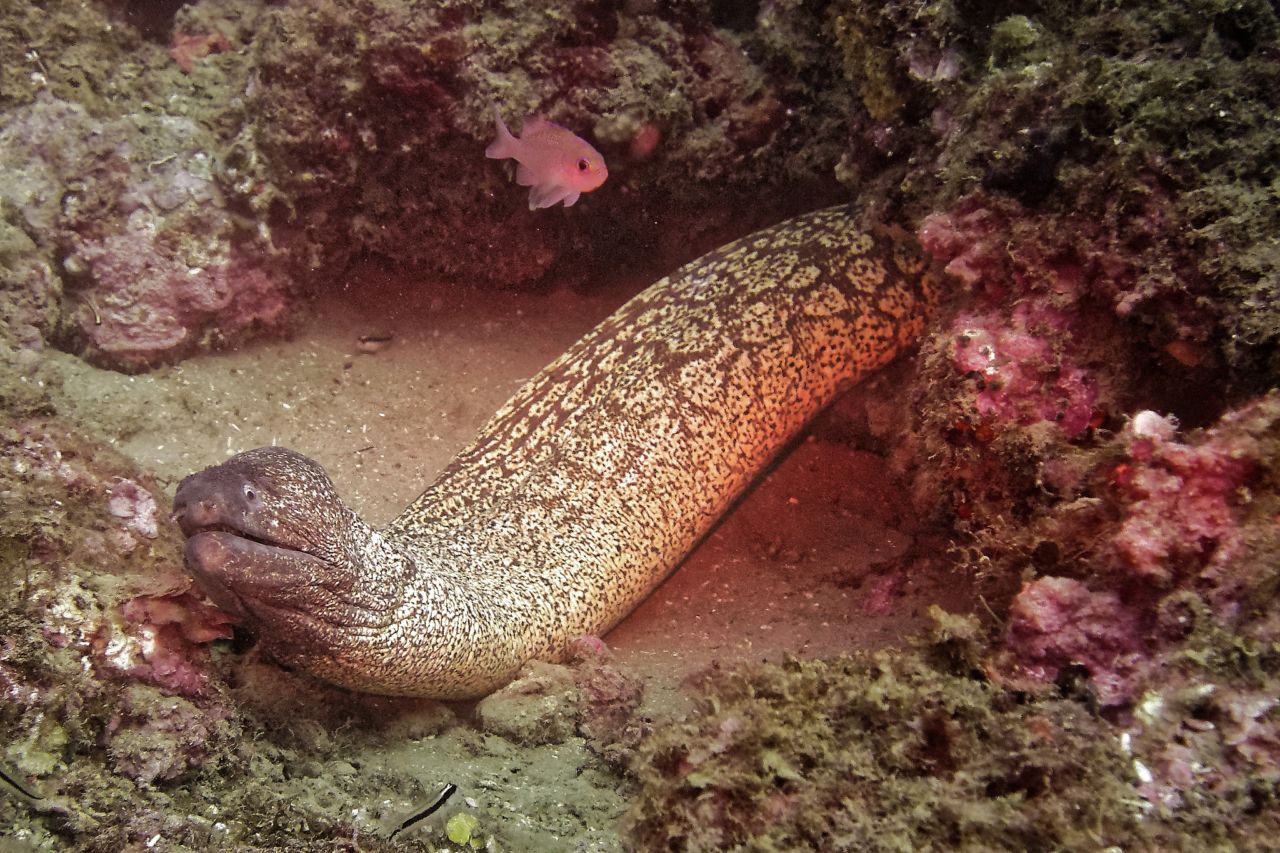
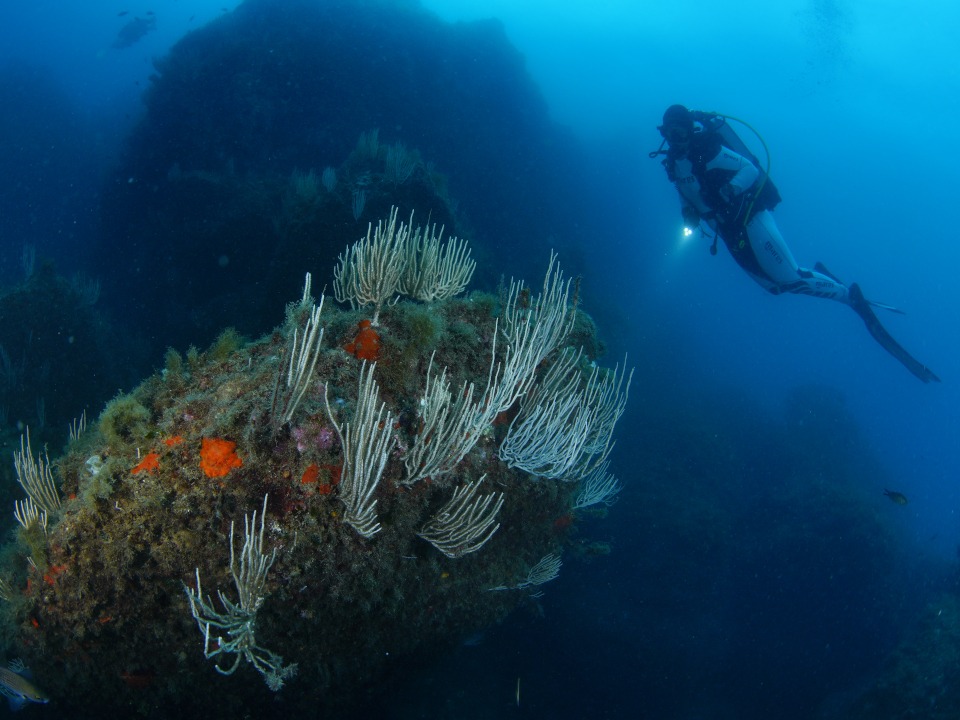
Around Cap Béar, diving isn't limited to drop-offs. The coralline algae are well preserved: gorgonians, sponges, nudibranchs, and a more "garden-like" topography than a simple wall.
The Sec de Valenti, a slightly secluded shoal, is known for its lobsters. Several sites remain accessible even with a tramontane wind, including the cove of Sainte Catherine.
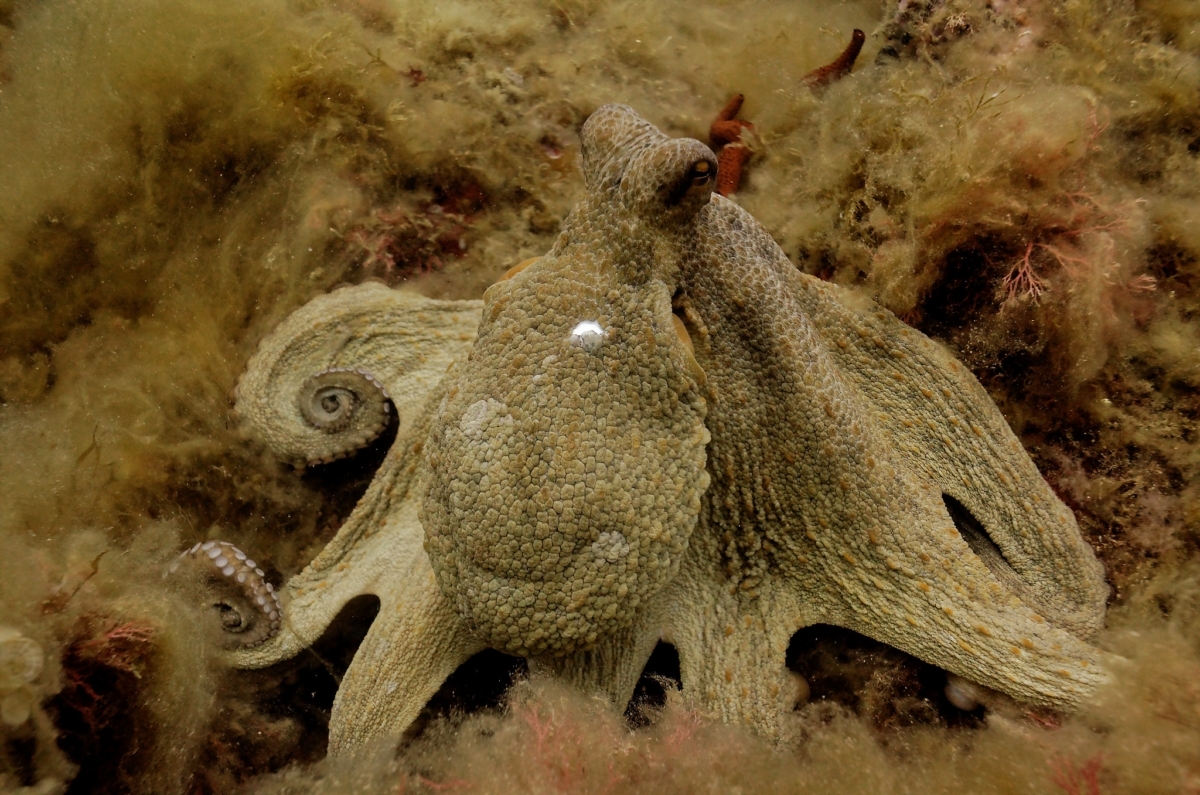
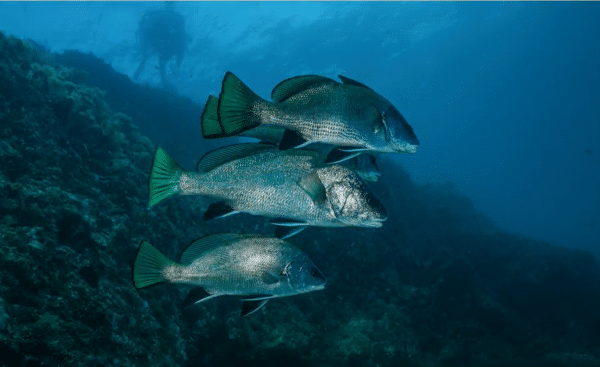
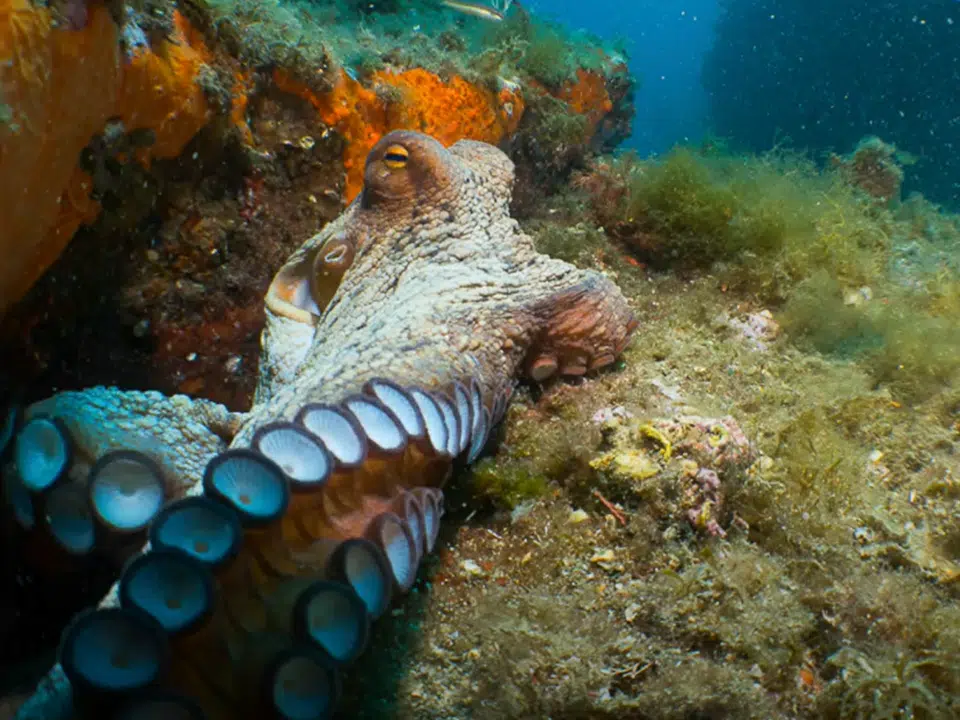
Paulilles cove opens just to the south: clear water, Posidonia seagrass meadows, luminous rocks. You might encounter white seabream, octopuses, and sometimes a grouper . Diving here is often more peaceful than further out at sea.
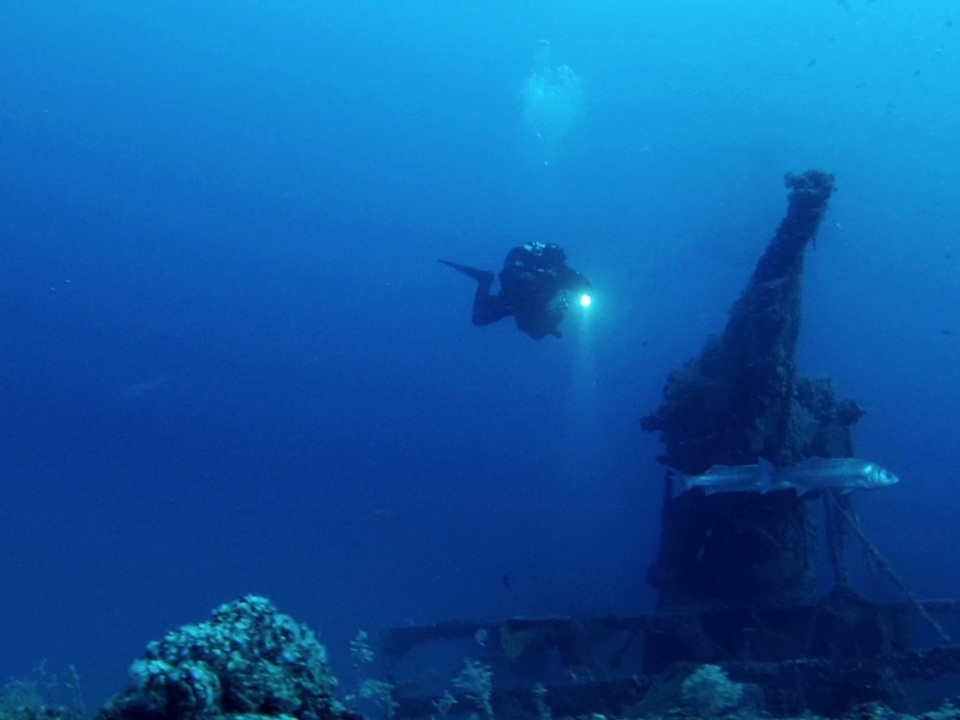
The boat departs from Anse Gerbal. Depending on the wind and the level, the team chooses the course, the dry land, Paulilles, the reserve or a wreck.
Some must-see diving sites around Cap Béar:
- Valenti rocky shoal (and its lobsters)
- Anse de Sainte Catherine
- Cap Gros
- Moorish handle sheltered from tramontane
Anse de Paulilles: a bay filled with history and beauty
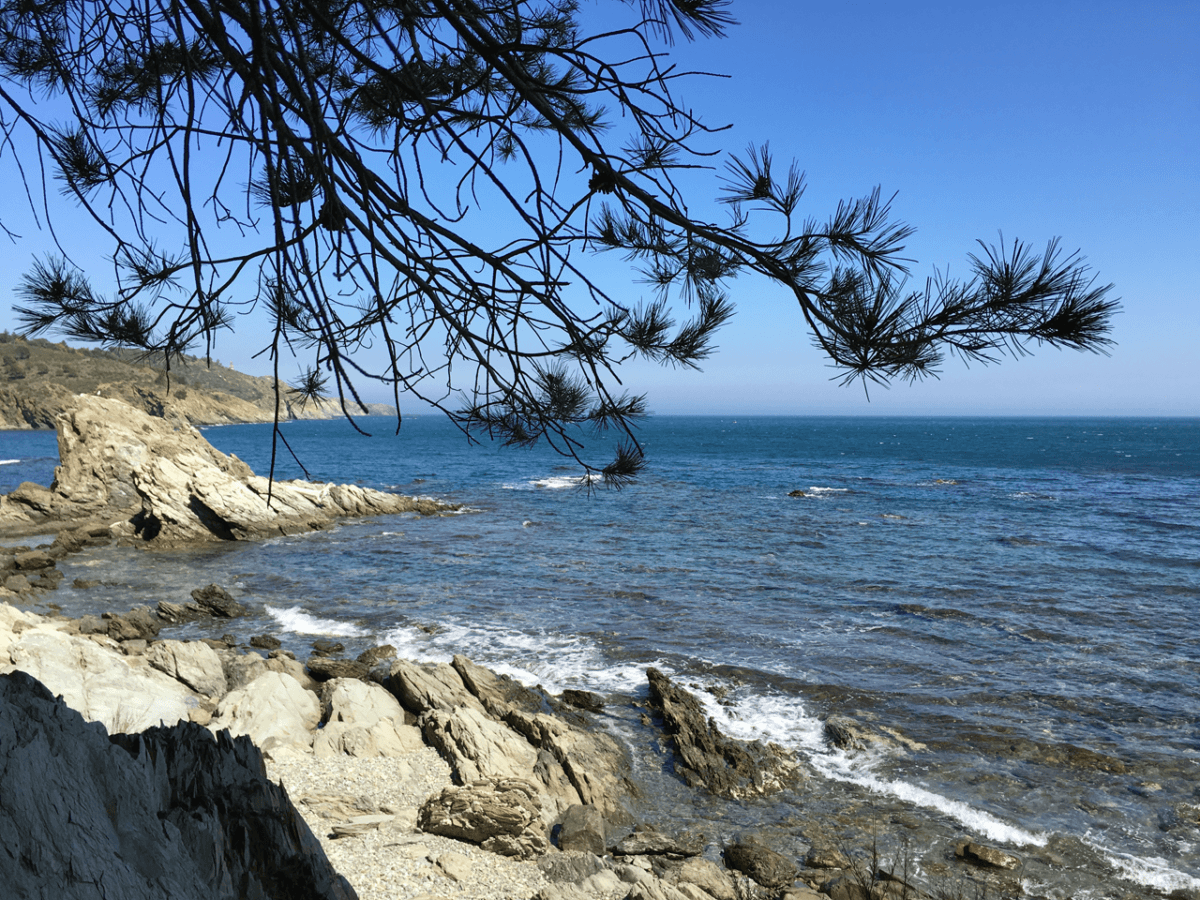
Anse de Paulilles, nestled between Cap Béar and Cap Oullestreil, is a peaceful bay offeringssi rich and varied dives. Once an industrial site, the cove is now a haven of peace where nature has reclaimed its territory. Underwater, divers will discover a world teeming with grouper, white seabream, and octopus, amidst Posidonia seagrass meadows and colorful rocks. The industrial remains add a touch of history to these dives, making each exploration unique.
Whether you are looking for a technical dive or a quiet exploration, Cap Béar and the Anse de Paulilles promise you unforgettable moments underwater.
Frequently Asked Questions
Often yes, the sites south of the cape are sheltered. In particular, the cove of Sainte Catherine and its beautiful coralline algae. The center decides in the morning based on the weather
Yes, in shallow, sheltered spots. The area is ideal for snorkeling. The drop-offs and reefs are chosen according to the weather and sea conditions.
It's a plateau a little off the beaten track, behind the cape, on the Paulilles side. A landscape of boulders, faults, small overhangs—and the lobsters that often hang there. We don't go there every time we go out; when the sea allows, it's a nice change from the drop-off.
No. It's a protected bay, with seagrass meadows, more open and often calmer. Less of a " grouper reservessi for snorkeling.
These are beautiful encounters, not a date. The safe setting here is the coralligenous formations, the Posidonia seagrass meadows, and the topography.