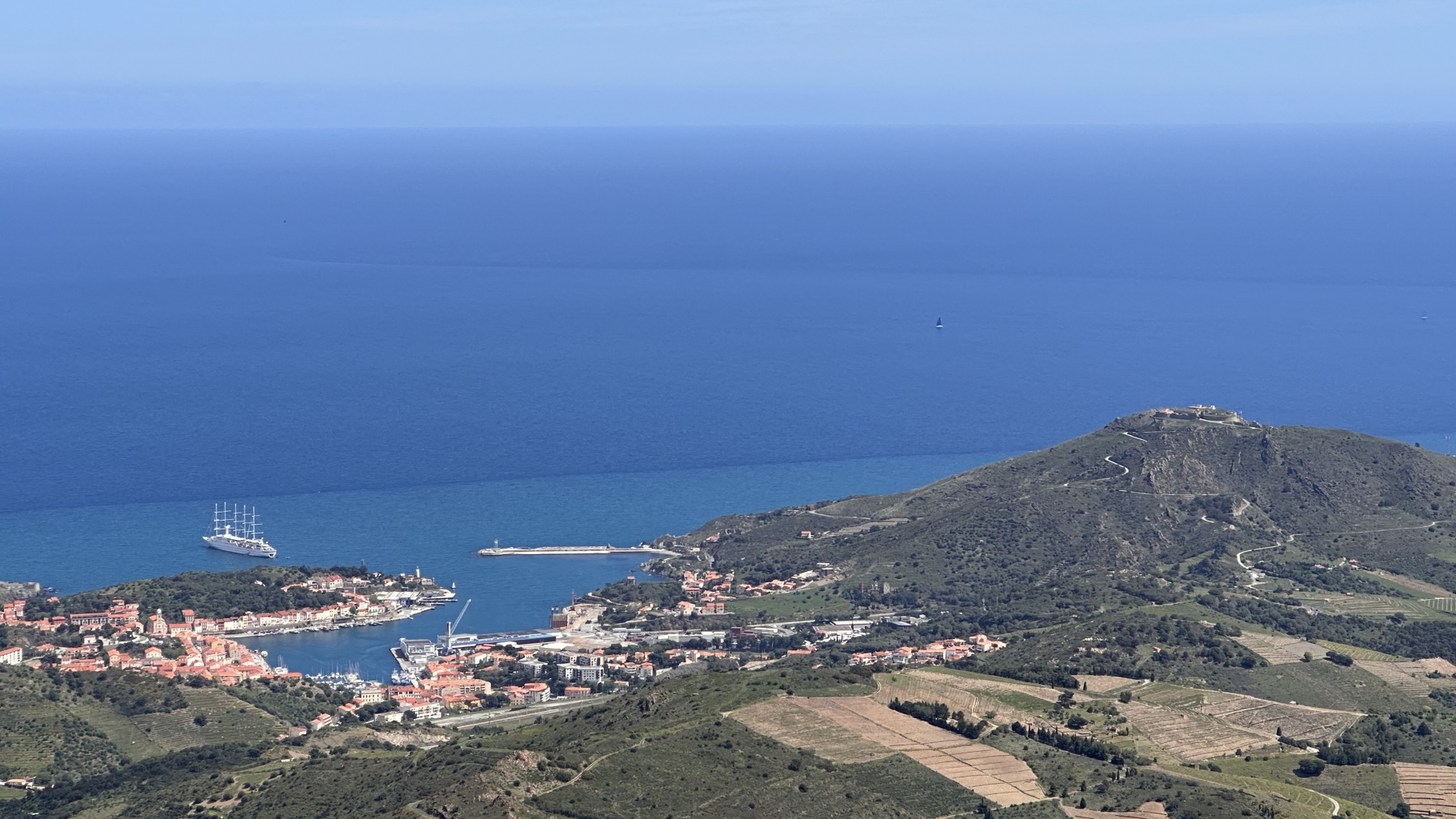


Port-Vendres and its surroundings
Port-Vendres is a real fishing and trading port, not just a picture postcard. The center is at Anse Gerbal, in the old fish market.
People often come for the sea; they stay for the coast. This page is about what you can do on dry land. Diving sites (reserve, reef, wrecks) are listed under Diving Sites.
- Port-Vendres : Port-Vendres owes part of its development to Louis XVI, who, in the 18th century, ordered the development of its port to make it a strategic point for trade and defense on the Mediterranean coast. Its port, used for commerce, fishing, and leisure, is the second largest fruit port in the Mediterranean.
- Anse de Paulilles : A listed site offering superb wild and preserved beaches, perfect for a getaway in the heart of nature.
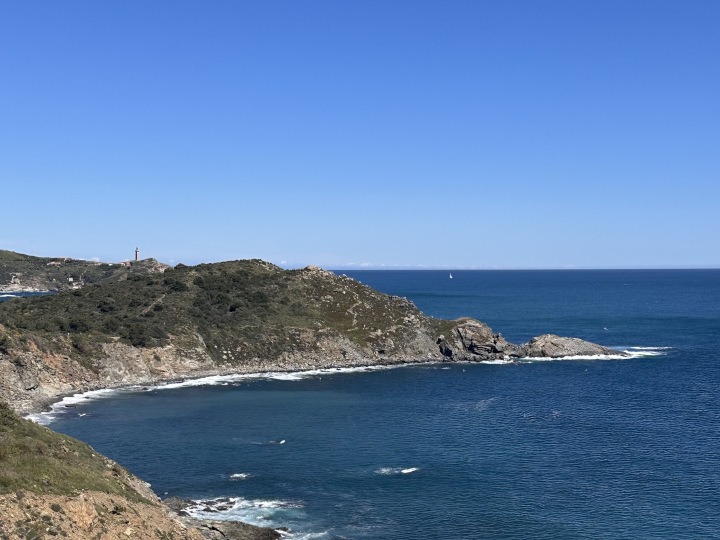
- Cap Béar : Enjoy magnificent panoramic views of Port-Vendres, the Côte Vermeille and Cap Creus from this iconic promontory.
- Cosprons : Discover this picturesque hamlet perched on a hill amidst the vineyards. Its chapel houses a Christ the Sea crowned with ropes, a local curiosity.
- Vinaigrerie de la Guinelle : Visit this unique place to discover the artisanal production of the famous Banyuls vinegar.
- Collioure : Reach this iconic village on foot via the D114, along the way admire the panorama, the coastal road, the beaches, and explore the Château Saint Elme.

The cargo ship Azrou of the Compagnie de Navigation Paquet – Port-Vendres 1949
The listed site of the Paulilles cove
The Anse de Paulilles , a listed site protected since 2008, is a true gem of the Côte Vermeille. This exceptionally beautiful place is not only a haven for divers, but alsossi dynamic cultural center.
In the former Nobel dynamite factory, now converted, numerous events, exhibitions and activities are regularly organized, offering a unique perspective on the industrial history of the region.
Paulilles Cove is distinguished by its magnificent Mediterranean flora and unspoiled beaches. During the season, these beaches are supervised, ensuring a pleasant seaside experience while preserving the natural beauty of the site
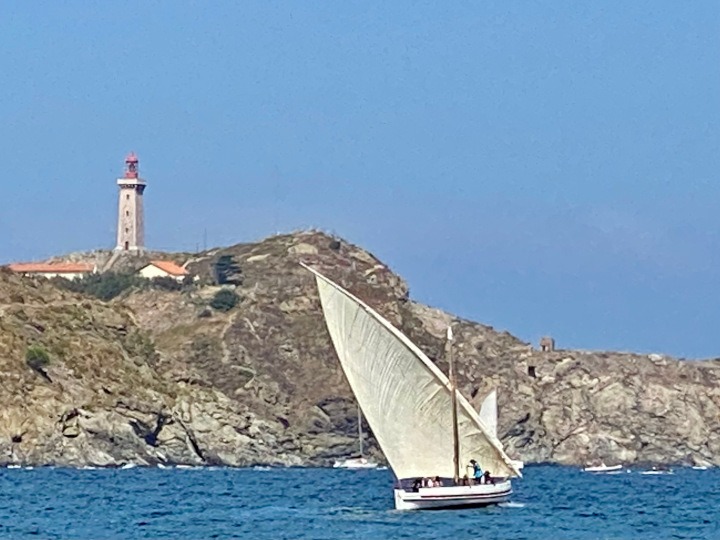
Paulilles Cove and Cape Béar
Cape Bear
At the easternmost point of the Pyrenees, where the mountain range plunges into the Mediterranean, lies Cap Béar, an iconic site located in the heart of the Gulf of Lion Marine Natural Park. This exceptional place offers breathtaking views and unique natural beauty.
ssion foot from Port-Vendres, Cap Béar is revealed at the end of a beautiful walk along the cliffs of the north coast, leading to the semaphore station. This walk will allow you to discover spectacular panoramic views of the sea and the coastline.
Cape Béar also preserves numerous remnants of German defenses from World War II, adding a historical dimension to its natural beauty. These traces of the past blend harmoniously into the landscape, offering a fascinating perspective on the region's military history while highlighting the wild and unspoiled character of the cape.
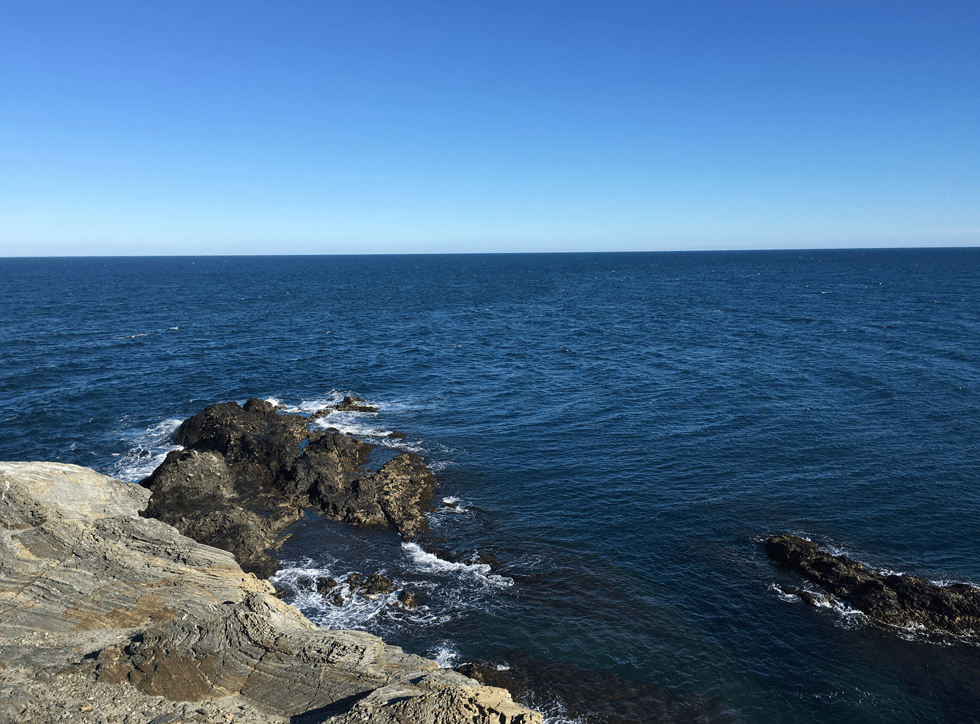
The coastal path of the Albèresssi
For hiking enthusiasts, the coastal path offers stunning views of the rocky Albères coastline, a Natura 2000 protected area.
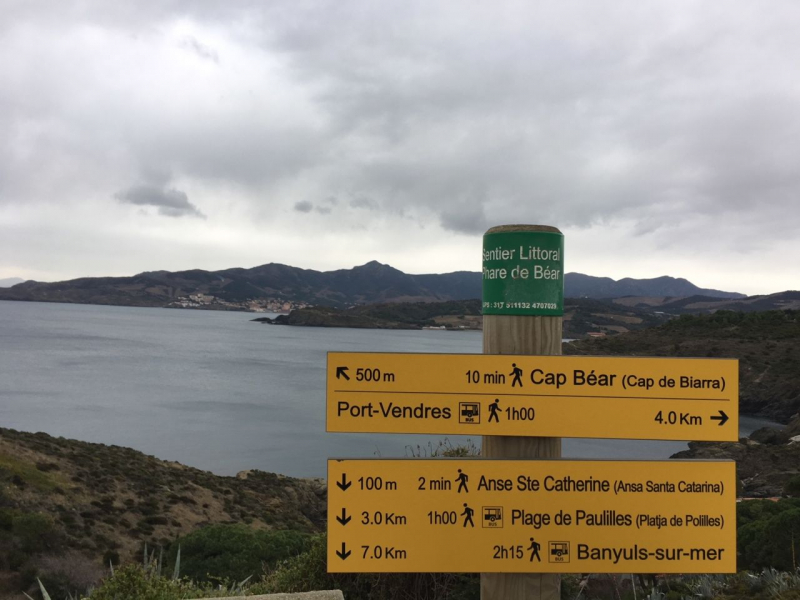
Enjoy a walk along the sea, past rocky coves, from Cap Béar to Paulilles beach.
You'll discover numerous rare and protected animal and plant species.
Access from the port of Port-Vendres: follow the Quai de la République, go around the Chamber of Commerce buildings, and at the roundabout take the Route du Cap Béar to the lighthouse (approximately 3 km).
Parking is available at the lighthouse. The trail is marked with yellow dots from Cap Béar.
An invitation to stroll, with numerous sitesssion foot from Port-Vendres
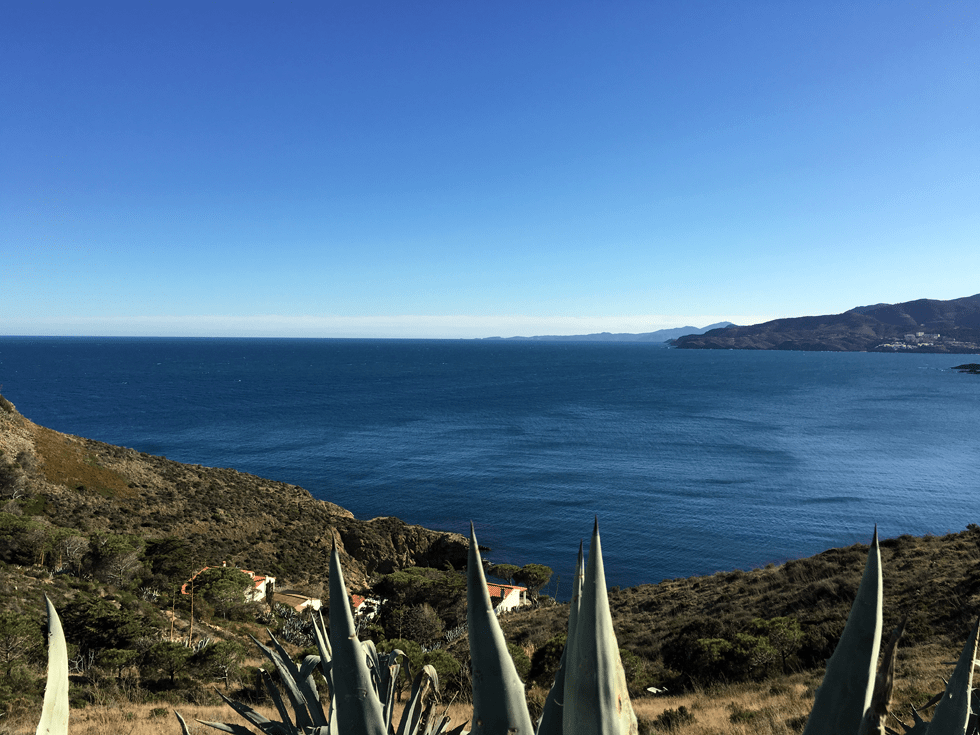
View of the Banyuls marine reserve and on the horizon, Cap de Creus in Catalonia on the Spanish side.
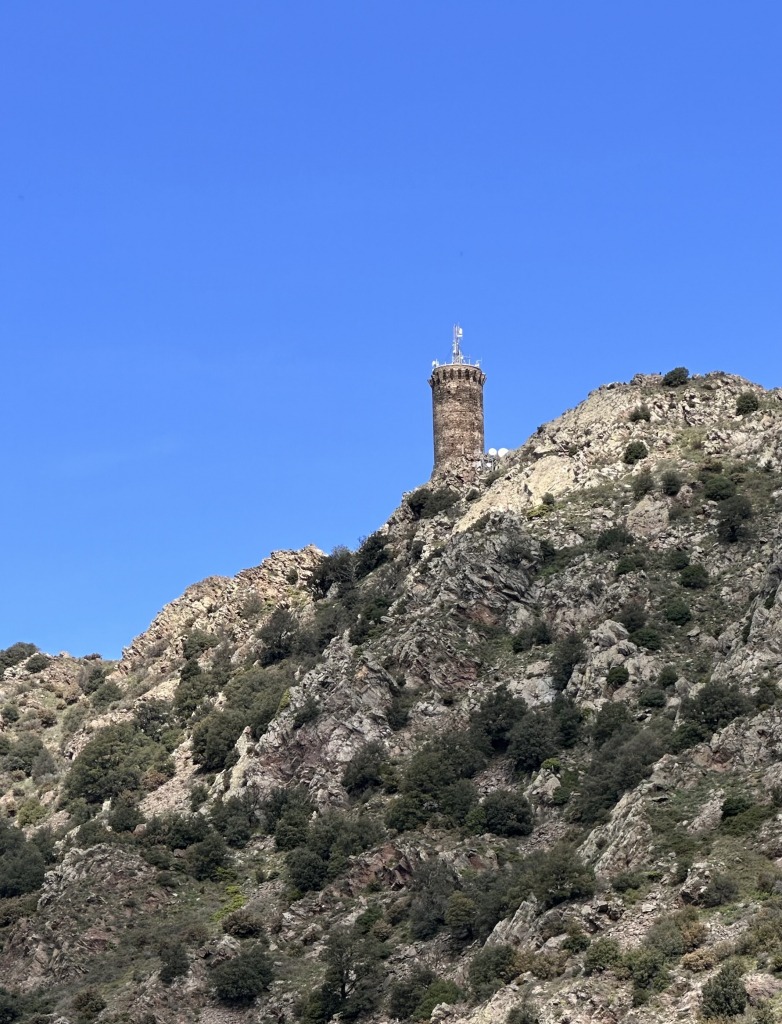
The Madeloc Tower (656 m) stands on the heights above Port-Vendres and Banyuls.
Built in 1286, its purpose wasssirelay signals between northern and southern Catalonia.
Fire and smoke signals were transmitted according to a code stipulated by the Catalan Constitution.
It communicated with the Massane Tower, the Salses Fortress , and allowed messages to be transmitted directly to the Palace of the Kings of Majorca in Perpignan, the administrative capital of Northern Catalonia in the 12th century.
Standing 17.50 m tall, it has two stories pierced with arrow slits, above a ground floor built over a cistern.
Corbels crown the top of the tower, recalling the existence of crenellations on machicolations.
Today, it houses a television relay station.
Magnificent panoramic views of the coastline and the Vallespir valley.
Directions: Take the RN114 towards Banyuls sur Mer and follow the signs for "Les Balcons de Madeloc".
View of the Vermilion Coast from the Madeloc Tower : Port-Vendres and Cap Béar